
Geotextile Fabric: Woven vs. Nonwoven and How to Choose
Geotextile fabric stabilizes and improves soil — separating layers, filtering water, reinforcing under load, and holding ground against erosion.
Nearly every choice starts at one fork: woven or nonwoven. Get that right and the rest — weight and grade — falls into place. That's exactly what the Selector walks you through.

The two families do almost opposite jobs. Woven fabric is built for strength and separation under heavy loads but barely lets water through. Nonwoven fabric is built to pass water and filter out fines, but it isn't a reinforcement layer. Picking the family that matches your job is the whole game — here's how they differ.
Flat strips of film woven together for high tensile strength that resists deformation under load. Plastic-like and nearly impermeable — the choice under roads, driveways, parking lots, and paver base. Specified by tensile strength, not weight.
Needle-punched polypropylene that feels like felt and lets water flow through while holding back soil fines. The choice for french drains, drain fields, behind walls, and under riprap. Specified by weight in oz per square yard.
Nonwoven: Read the Weight
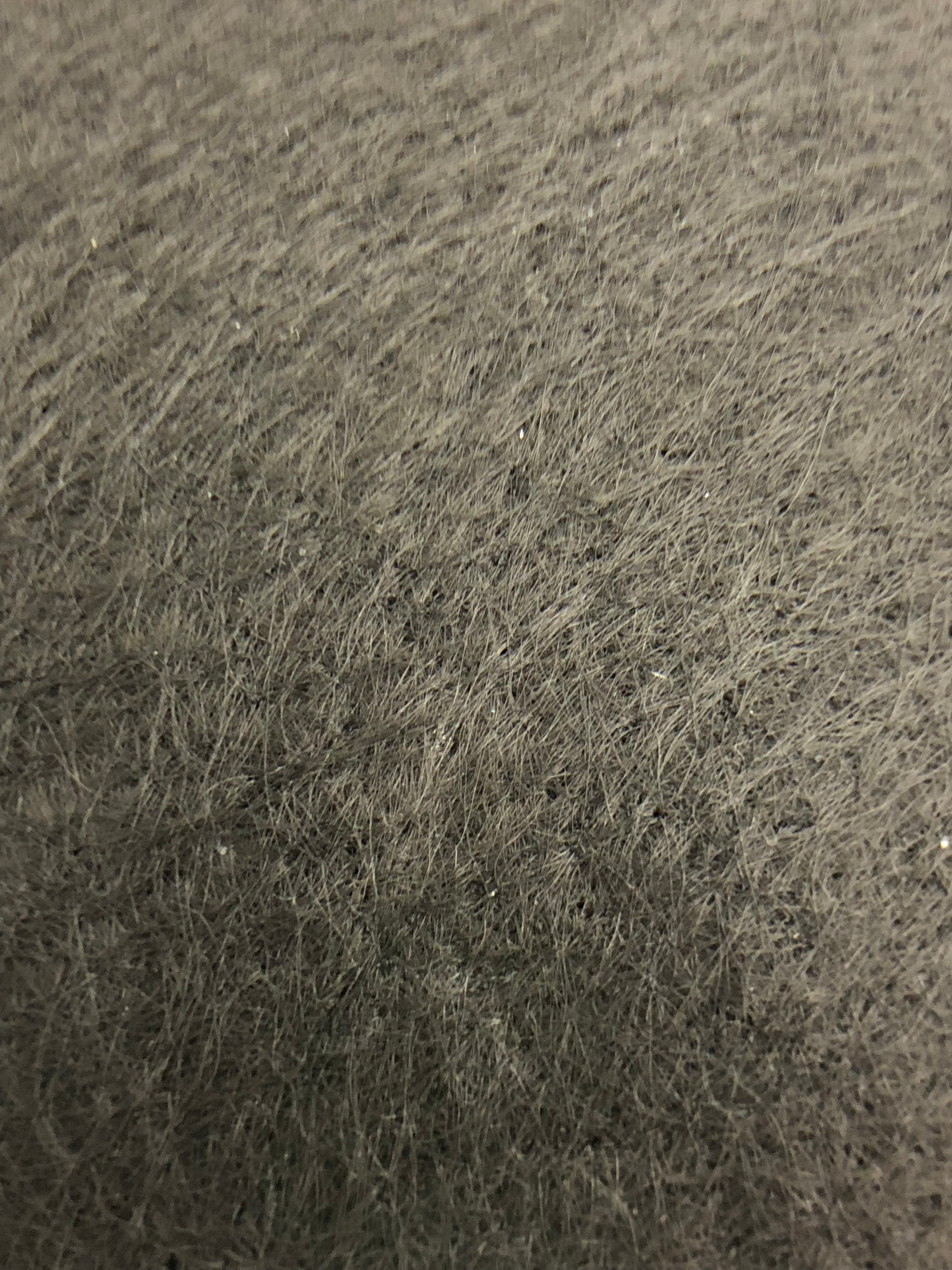
Nonwoven is sold by weight, and the weight tells you the trade-off between flow and toughness. Light (3–4 oz) moves the most water — ideal for french drains, drain fields, and behind retaining walls where flow is everything. Medium (6–8 oz) balances drainage with strength, the workhorse for separation under gravel paths and patios. Heavy (10–16 oz and up) trades some flow for puncture resistance, keeping rock and soil apart under riprap and on demanding sites. One caution that matters on buried work: economy big-box fabric is usually heat-bonded, with a fused surface that clogs and tears. The needle-punched commercial fabric here resists clogging, puncture, and rot for the life of the job.
Woven: Built for Load

When the job is holding up a surface that carries weight — a gravel driveway, a road, a parking lot, a paver base — you want a woven stabilization fabric. Its strength comes from the weave: flat yarns crossing at right angles give it high tensile strength and resistance to stretching, so it separates the base aggregate from soft subgrade and spreads loads instead of letting them push stone down into the mud. The catch is that the same tight weave lets very little water through, so woven is the wrong call anywhere drainage is the goal. For traffic-bearing builds, also look at the dedicated road fabric and paver base fabric.
Match the Fabric to the Job
Light nonwoven, 4–6 oz, for maximum flow that still keeps fines out.
Medium nonwoven, 6–8 oz, to keep paths and pads from sinking into soil.
Woven stabilization fabric for high tensile strength under traffic loads.
Heavy nonwoven, 8 oz and up, for puncture resistance and separation under rock.
Two Mistakes to Avoid
First, don't use woven fabric where you need drainage — water can't get through it, so you trade a soft spot for standing water and washouts. Second, don't put a light or economy nonwoven under riprap or heavy load — it punctures, clogs, and fails early. Match both the permeability and the strength to the job, not just one of them.
Quick Selection Checklist
- 1. Start with the fork: water needs to pass through (drainage, filtration, separation) → nonwoven; load needs support (roads, driveways, paver base) → woven
- 2. Size nonwoven by weight: 3–4 oz for max flow, 6–8 oz for separation and durability, 10 oz+ for puncture resistance under rock
- 3. Size woven by tensile strength — heavier grades for higher loads and softer subgrade
- 4. Going under riprap or on a slope? Use a heavy nonwoven (8 oz+), not a light drainage fabric
- 5. Skip economy big-box fabric for buried work — needle-punched commercial nonwoven resists clogging, tearing, and rot for the life of the job
Ready to shop by family? Start with drainage & filtration fabric and french drain fabric for nonwoven, woven stabilization fabric for load-bearing builds, and shoreline erosion control fabric for work under rock — or pick an exact weight from the nonwoven weight collections. Everything ships free.
Still not sure? Use the Geotextile Fabric Selector above — answer a few questions about your application and conditions, and it points you to woven or nonwoven and the right weight or grade.


